středa, září 13, 2006

Vedení místo poradenství

Víte co je to "žít v textu"? Mě se to děje už několik týdnů - od té doby, co se chystám napsat příspěvek o tom, jak mnohé české firmy (rozuměj firmy působící v Česku) zaměňují potřebu poradenství a potřebu vedení. Za tu dobu jsem pracoval na několika projektech, kde se mi tento poznatek potvrdil. Zatímco si firma objednává poradce (který, zdá se, má poskytnout kritickou reflexi problému a alternativy řešení), ve skutečnosti volá o pomoc při vedení firmy (=přijímání rozhodnutí, delegování, motivaci...) Vedlejším produktem tohoto volání o pomoc je samozřejmě většinou nepochopení (nepřijetí) role konzultanta v objednatelské firmě. Až příliš často manažeři českých firem spojují konzultační podporu s nadějí na vyřešení celé plejády vnitřních firmeních problémů. Konzultant - pokud nechce zklamat - tak přestává praktikovat kritickou reflexi a pouští se do jakéhosi firemního voodoo. Konce si zřejmě dokážete živě představit.

Vedení úzce souvisí s představou o podnikové vizi (o co firma usiluje, kam to chce dotáhnout) a se schopností naplňovat ji v praktickém managementu. V českých firmách často chybí to první ("Vize? No prodávat víc, přece.") a hrubě se improvizuje to druhé ("Selským rozumem, přece.") Přitom existuje docela jednoduchý a účinný nástroj propojování těchto dvou konceptů: řízení značky. Řízení značky lze totiž chápat jako management významu, který nabízí odpovědi na otázky jako:

Jakým smyslem (významem) naplňujeme to, co děláme?
Jaký smysl to má pro naše zákazníky/spolupracovníky?
Co lze dělat, aby se smysl našeho podnikání proměnil?

Možná to už bude znít jako šílená přeinterpretace, ale řízení značky je vlastně taková logoterapie, léčba smyslem. Možná je to lék i na českou manažerskou obrnu.

neděle, května 28, 2006

Pěkný pohled od Dunaje


Dnes jedna předvolební. Navíc jako cizí státní příslušník nemám místně volební právo, takže tato úvaha nemá pro mě existenciální váhu. Chápejte ji tedy taky prosím spíše jako anekdotu.

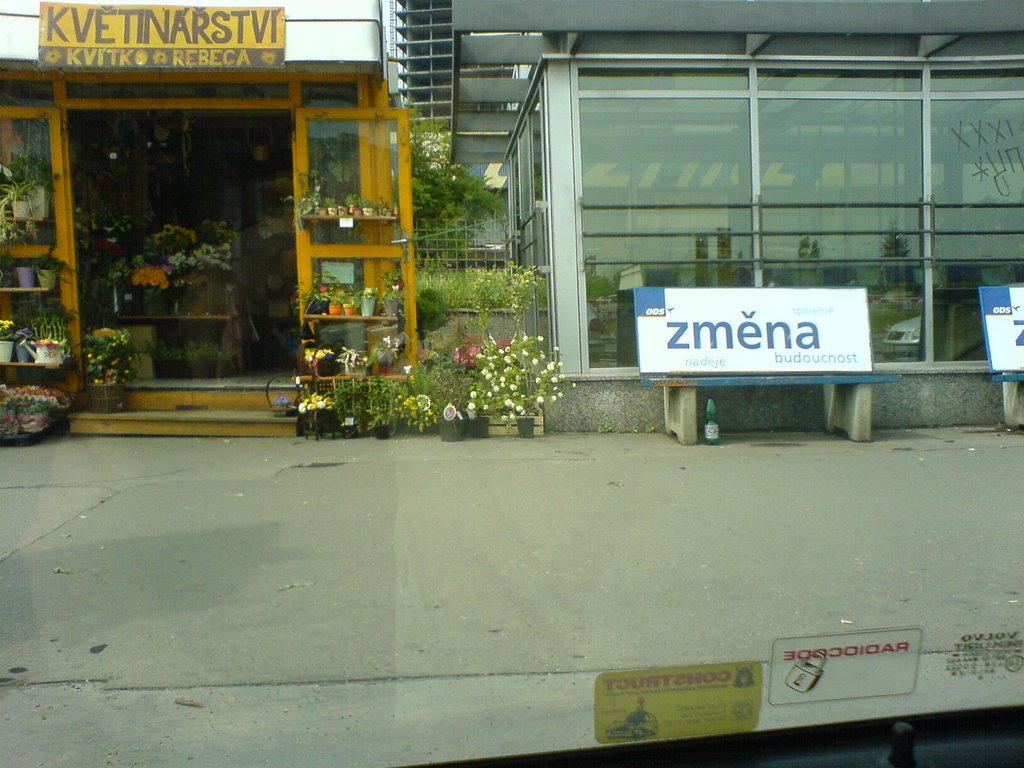
Z marketingového hlediska je reklamní kampaň příslibem užitku (užitků), které může spotřebitel od inzerované značky očekávat. Žádný příslib = žádná kampaň. Z tohoto pohledu by volební manažeři ODS měli vrátit školné. "ZMĚNA - NADĚJE - BUDOUCNOST". Jo, a ještě "SPOLEČNĚ". Tento terminologický "cloud" se objevil asi před deseti dny na běžných i méně běžných outdoorových formátech (alepsoň v Praze a okolí). Po zemitých příslibech peněz v programu "ODS Plus" je to obrat o 180 stupňů. Ne že by příslib nějaké té koruny navíc pro všechny byl zrovna atraktivní pravicový program, ale slibovat vzdušné zámky naděje a budoucnosti - ještě ve formě podivné esemesky - to je vyloženě bolševická parketa. ODS neví, co je positioning. A já bych přitom tak rád tu rovnou (a současně nízkou) daň!

Ve víkendových LN se objevil osvěžující článek slovenského novináře Štefana Hríba o trhu myšlenek (nejen politických) v Česku z podunajské perspektivy. Odkazuji na něj proto, že aktuální přelep plakátů ODS Hríbovy postřehy pěkně rámuje: primátor a horolezec Pavel Bém nás na těchto plakátech žádá (významový přepis - asi si nepamatuju doslovně): "Než odjedete na víkend prosím změňte vládu." Ano, takové jsou české priority: rodinný výlet na Křivoklát, případně okopat zahrádku, brusle na Ladronce... Á propos! Volby! Stejně to v pátek na magistrále pojede blbě.

úterý, května 16, 2006

Ethnography du jour


Just a few years ago, who would have guessed that ethnography will make PC Magazine headline. But it does. Which is both encouraging and scary at the same time. It is encouraging because it shows that there's still some hope that corporations evolve and change does take place. The scary part is best illustrated by this quote from Tracy Lovejoy, the Head Ethnographer at Intel : "Consumers have so many choices today, so you have to work hard to understand what people want and need." Well, hasn't been consumer understanding the premise of modern marketing since a few decades ago?

pondělí, května 15, 2006

Zážitkový marketing po česku


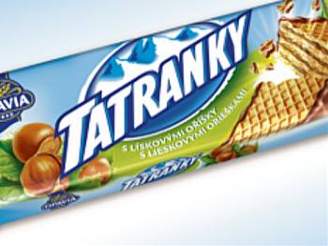
Začalo to pivem Zlatopramen: asi před rokem či dvěma se jeho slogan náhle změnil z "O stupeň lepší" na "O stupeň lepší zážitek". Letos se přidal Gambrinus, který slibuje "Kvalitní zážitek" (sic!) a "lovemark" nejednoho českého turisty - Tatranky. Z "Energie sbalené na cesty" jsou rázem "Zážitky sbalené na cesty". A právě zde bych se chtěl přistavit.

Nevím, jestli si této kosmetické změny vůbec někdo ze spotřebitelů všiml. Mě však bolestně připoměla praxi marketingového kutění, jehož žel bývám dodnes očitým svědkem. Snad se brand manager Tatranek příležitostně začetl do odborné literatury (či do elektronického newsletteru z Amazon.com) a tam objevil "experiential marketing" jako cosi, co je v kurzu. Snad nějaká výzkumná agentura ulovila "zážitky" jako nový směr, jímž mají Tatranky vykročit. Nebo je snad slovo "enerige" ve spojitosti se starými dobrými Tartrankami a jejich vysokým obsahem cukru a dalšími hříšnými ingrediencemi politicky nekorektní?

Buď jak buď, Tatranky si už nedáme když nám před vrcholem Sněžky dojdou síly, ale spíše s nimi budeme někde na autobusáku čekat, jestli nepřijede nějaký zážitek.

úterý, dubna 18, 2006

Post-branding


Tak a je to tady. Poté, co se centralizovaná nákupní oddělení větších i menších firem naučila vedle propisek a minerálky nakupovat i reklamní kampaně, čeká je další meta - strategické poradenství v oblasti řízení značek (takto "brandingu"). Nabídka v oboru je - zdá se - již dostatečně "menuizovaná". Určitě i díky službám BrandMakera.cz. Ing. Rudolf Sehnal, MBA na svých stránkách nabízí slušné meníčko služeb - v úrovni Standard, Extra, E-Learning ba i Agency. Začíná se - jak jinak - analytickou částí, kde se mimo jiné dozvíte:

  • Jaké mají zákazníci vědomé a nevědomé potřeby?
  • Máte více potenciálních cílových skupin?
  • Je nutno s těmito skupinami komunikovat odlišně?
Na stránkách BrandMakera.cz nabíráme velkou lžící hutnou terminologickou polévku. Pokud by se nám zdála hůře stravitelná, má pro nás autor digestiv:

"Pokud se Vám tento odstavec zdá příliš odborný, vůbec si tím nelamte hlavu. BrandMaker je tu od toho, aby Vám vše náležitě vysvětlil a hlavně svoje znalosti a zkušenosti aplikoval do praxe ve prospěch vaší firmy."

Inu což, každý z něčeho potřebuje zaplatit složenky.

středa, března 29, 2006

Trump-eta

Móda "značek na suchý zip" (to jsou takové, které se dají na něco snadno nalepit a v případě potřeby zase rychle odlepit) je strašný nešvar. "The Donald" nezůstává stranou - založil on-line cestovní kancelář, která se ve všech parametrech vzácně shoduje s travelocity.com. Taky však slýchám: "Lepší je dobře ukrást, než špatně vymyslet." Tak nevím...

čtvrtek, března 23, 2006

Diderotovy jednotky


Jednoduchý koncept, s kterým se - pokud vím - v českém prostředí příliš nepracuje. Diderotovy jednotky (Diderot unities) jsou v podstatě jakési spotřební kolokace. Termín zavedl - jak jinak - Grant McCracken

I define lifestyle as “Diderot unities:” any constellation of attitudes, outlooks, behaviors and stylistic identifiers in which the passion for some part of the world becomes the basis for a more general response to the world. This constellation may include or help influence fundamental values, voting, consumer and social behavior.

McCracken, Grant. 1988. Diderot Unities and the Diderot Effect. in Culture and Consumption. Grant McCracken, 118-29. Bloomington: Indiana University Press.


Něco jako životní styl, ale trochu více významotvorné. Protože - co se dnes má za "životní styl"? Řekl bych, že jakási tapeta, efemérní koláž z obrázků z "životně-stylových" časopisů.

Studium Diderotových jednotek by mohlo být páteří zajímavého spotřebitelského mikro výzkumu.

pondělí, března 20, 2006

Ode to McCracken


If you haven't read Grant McCracken's blog, give it a try. This may sound like stupid promotion but from my side it's just an expression of endless amazement and respect for his prolific writing and funny yet revealing insights.

The one post I found particularly pertinent recently is on advertising and the "fluid" nature of the business - which seems to be costing the industry too much. More so on our little Czech biz pitch where most agencies haven't even started to think about why they're here - beyond a very vague idea that this is where some money is.

pondělí, března 06, 2006

The "33 Factor"


By now notorious Rolling Rock Beer boasts an equally notorious urban myth about the enigmatic number 33 on the back of its label. I just wanted to point this out in our local Czech context where very few brands recognize the importance of brand mystery as an essential branding ingredient. With a new generation of brand managers - predominantly local - who have been treated to an MBA quick fix - the mechanistic paradigm is being re-introduced in the Czech marketing practice. For this new breed of brand managers (not so new, and, in fact, not limited to the Czech market) consumers are rational decision-making machines who should be subject to trivial persuasion language: "Buy brand X because it features Y which brings you benefit Z." There's no space for mystery. A very important element of this mechanistic paradigm is the role managers assign to research. Rather than seeing it as a way to learn about consumers, their motivations, preferences, their life-strategies, the cultural context, research is being assigned the role of a courthouse which makes the thumbs-up or thumbs-down decision on marketing projects.

Now, back to the "33 Factor": Could it ever have come to life in a focus group?

středa, března 01, 2006

Opět ty bubliny...


Eda Kauba v posledním MaM komentuje problematiku jednoslovného názvu země a nového loga (můj starší článek o "bublinách" zde). Zatímco s návrhem používat jednoduché jednoslovné označení Czech (navzdory jeho gramatické krkolomnosti) mohu jen souhlasit, s jeho nadšením pro "bubliny" nikoliv. Opravdu má grafickým vyjádřením esence značky "Czech" být prázdný kontejner?

Před několika týdny jsem pracoval na jednom projektu se slovinskými kolegy. Jak už to tak bývá, s postupující večerní hodinou, přibývajícím alkoholem a ubývajícími tématy přišla na přetřes i otázka národních identit. Slovinský kolega Sač shrnul jejich národní program takto: "Maybe, our national mission in Europe is to fade out." Tomu říkám národní souznění.

Kompetence maloobchodu vs kompetence výrobce

The Retail Bulletin (UK) přináší v krátké zprávě o vyhlášení výsledků ankety o nejlepšího obchodníka a výrobce (Tesco a P&G) zajímavý pohled na kompetence maloobchodu a výrobce.

The survey showed the characteristics of a leading retailer to include: sales and profit growth; a strong customer focus; an integrated supply chain; a distinct business model, and strong collaborative relationships. Tesco is considered to be "one step ahead of its competitors", and other best-in-class retailers include Wal-Mart, Aldi, Lidl and Ikea.

The characteristics of a leading manufacturer include innovation; effective brand management; speed to market; excellent customer management, and scale and agility of the supply chain. P&G is the most admired manufacturer for its "leading edge and scale", and other best-in-class manufacturers include Dell, Ferrero, Müller and Unilever.


V kontextu nedávné debaty v Trend Marketingu (Mají prodejci budovat značky? TM, 22/2/2006) mi výše uvedená komplemetarita retailu a výrobců přišla velmi smysluplná. Také upozorňuji na pořadí, ve kterém jsou jednotlivá kritéria uvedena. Inovace a efektivní řízení značky jsou pro výrobce prioritami č. 1 a 2. Je osvěžující občas si to připomínat - zejména v našem domácím tržním prostředí, kterému nezdravě dominuje maloobchod, ve kterém se inovace často omezuje na papouškování závěrů spotřebitelských diskusních skupin a řízení značky bývá ztotožňováno s třicetivteřinovým TV spotem.

sobota, února 25, 2006

Go, Grant, Go!

Wowík! Než jsem stihl dopsat poslední přípěvek, na McCrackenově blogu přibyl další zářez! Tentokrát si vzal na paškál Kevina Robertse, CEO Saatchi&Saatchi a jeho knihu Lovemarks (psal jsem o knize v úplně prvním příspěvku v únoru 2004). Ať mě Kevin nadchl sebevíc, McCracken se do Lovemarks přesně trefuje. Uvažte: "The good news: this book is art directed. The bad news: so's the prose." A nebo: "The reader ends up in a state of conceptual excitation that I have not experienced since I spent an afternoon at the Science Center in Toronto. After a couple of hours of pushing buzzers, spinning wheels, and otherwise "making science," its all I could do to keep from "operating" every shiny object in the parking lot. The spirit of the exhibit space had colonized consciousness." Drobné radosti kritické mysli!

pátek, února 24, 2006

Máte už názor na Modré oceány?


Grant McCracken (už to jméno je kapitál!) na svém blogu trefně glosuje knihu W. Chan Kima a Reneé Mauborgna Blue Ocean Strategy (český překlad zde). V českém marketingovém prostředí se teď o knize poměrně hodně mluví - a málo diskutuje. Já jsem začal Kima a Mabourgna sledovat v Harvard Business Review, kde v lednu 2004 uveřejnili článek Creating New Market Space. Jejich metoda "strategického plátna" (strategic canvass) je z praktického hlediska velmi použitelná a jednoduchá. McCracken mimo jiné kritizuje akademický prach, který na knize ulpívá. Mohu souhlasit. Přečtěte si "Modré oceány"! Zvýší to váš odborný "kudos"! Když si na knihu navíc vytvoříte názor (třeba s pomocí McCrackena), budete mezi českými marketéry ojedinělým zjevem.

Jennifer Rice strikes again!

JR delivers another portion of insights into consumer behavior and branding based on the Maslow's need hierarchy framework (see the link in the title). Not that it isn't appealing - it just reads as a piece of utopian treatise, especially from the local perspective.

úterý, února 21, 2006

Czech Republic: Whatever


The need for a consistent and appealing brand identity for countries is well documented. Not always can the official state symbols do the job of communicating the Zeitgeist of the country and serving the art, sports, and business communities as relevant endorsement. (See, for example, the case study of Estonia by Interbrand.)

Czech Republic's project of its brand identity has been plagued by bad project management, lack of leadership and bad design for years. The current attempt is no better, either.

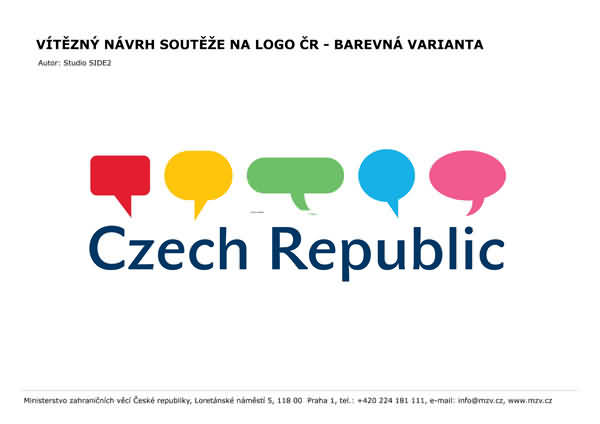
In fact, it only got worse. Aesthetically the Side2 studio has created a very appealing format. Strategically, it is completely flawed. The format promises a great deal of flexibility in application but lacks substance. Correct me if I'm wrong but I still believe that a logo (or visual identity, if you want) is an attempt to capture the core message of a corporation, a country, a NGO... Logo is the first piece of advertising, a simple visual clue, a meme you want your brand to be associated with. Now, in light of what has been said, let's try to analyze the message of the new logo of the Czech Republic.

The logo speaks of empty form. Callout shape - as we know it originally from comics - is a placeholder for an utterance. It doesn't speak of anything by itself - it is a container to be filled with any kind of text. The callout shapes in the logo express variety - of form. As a result, do we want to position CZ as a variety of empty forms to be stuffed by pretty much anything? Well, from a perspective of a foreigner - albeit living in the Czech Republic for quite a while - I DO think the logo speaks of the Czech reality; but perhaps unintentionally, as a strategic side effect of the design. Here, the unwillingness to express positive values, to position yourself in one way or another, becomes the Czech brand message. Being Czech is an ultimate post-modern stance. The logo could be complemented by a brand tag-line: Czech Republic. Whatever.

čtvrtek, února 16, 2006

Limits and opportunities in brand innovation and brand extension exercises


Illustration photo, www.trendwatching.com

Recently I had the chance to work on several new product/brand extension launches which taught me quite a few lessons which I'd like to share with you over the next few days.

Lesson 1: Never extend the brand if its identity isn't well defined

Successful brand extension doesn't come in family packs. There's nothing wrong with intuitive marketing but if you plan to spend some time and money on the brand extension exercise you'd better minimize the uncertainty of the outcome (to a feasible level). The key question to ask here is how does your brand generate value - and I mean not only value for the customer but also for you as a company. You can capture the whole picture of your brands consumer value through strategy canvas - a useful and simple tool suggested and developed by

Oh, I almost forgot!

I know that Y&R has been working with the archetypes framework for some time - this white paper on Brand Asset Valuator, Y&R proprietary research and planning tool, also mentions archetypes and how the agency uses them for developing brands.

Also, NFO Aisa in Prague has to be given credit for seriously venturing into archetypal research. As far as I know they have been offering archetypal research (both quali and quanti) to their clients for some time now.

středa, února 15, 2006

What's the story of your brand?


There are some 2,290,000 hits on Google for "archetype". It narrows down to some 194,000 when you add "marketing" to that search keyword. Most of the links are as much irrelevant as the archetypal approach has been en vogue recently in marketing and brand management. Just like with any other buzz word, if you are encouraged to take the "archetypal approach" by your brand consultant, there is a 50/50 chance that he or she is selling just another "paradigm shift". Still, through archetypes you can achieve clarity and an inspiring strategic direction for your brand and your business positioning. Some of my clients and colleagues have been asking me about the benefits of this approach as well as about basic knowledge resources on archetypes and their use in branding. This post tries to offer the basic idea:

By far the best (most accessible + most reader-friendly + most actionable) background reading on archetypes is Margaret Mark's and Carol Pearson's book The Hero and the Outlaw. It explains the basics - what an archetype is, where does it come from, what kinds of archetypes there are, and - most importantly - how to use the paradigm in steering your brand. (Don't forget to see Pearson's web page.) Meanwhile, there is a host of reliable and not-so-reliable resources on the web as well.

For basic definition of the term you can try this or this. What also works is to run a basic "what is an archetype" search on ask.com.

While you should find it pretty easy to get oriented in the terminology, there is still a long way from C.G. Jung's psychological theory and its application on one side to a viable business application based on archetypes on the other. Here Mark's & Pearson's book come in really handy.

When we use archetypes with my clients it is often to add depth and clarity to the brand identity they are aspiring to. Projecting your brand's future isn't a simple task - and also a very important one. Most of marketing managers are pretty good at sales and profitability modeling and other hard skills. Still, their responsibility is not only to create profit margins and incremental profit growth, but also (and I would say more importantly) meaning for their customers (which, in turn, generates profit and growth b.t.w.). Have a look at one of my previous posts about it - if you read some Czech, that is. Archetypes are a wonderful way to do it: they help you tell your brand's story consistently and vividly.

Normally, we work with the 12 archetypes derived from Jung and from Mark/Pearson which are organized along two axes - belonging versus individuation and mastery versus stability. On each end of those two dimensions sit 3 archetypes: so for example "belonging" archetypes would include LOVER, JESTER and REGULAR GUY/GIRL. The point is to try to understand what kind of archetypal story your brand is trying to tell, and how good it is in doing so. Also, we usually have a look at the category archetype (e. g. JESTER for the beer category) and decide whether there is opportunity in playing by the rules of the category or whether we should rather disrupt the status quo.

When you have arrived upon the archetypal profile of your brand, it'll make a lot of strategic as well as tactical decisions easier: decisions on new product development, on priorities in your consumer segments, on communication initiatives, on creating relevant brand experiences etc.

For the left-brainers I found an interesting reading of the term archetype. If you think Jung et al. is no more than just some new-age babble, you'll find comfort in this methodologically sound research paper.

Pomsta jazykových víl

A portrait of a fairy, by  Sophie Gengembre Anderson  (1869). Jazykové víly jsou velmi skromné. Materiálně si nenárokují téměř nic. Hlavu...